
Choosing the Right Heating System for Your Home This Winter
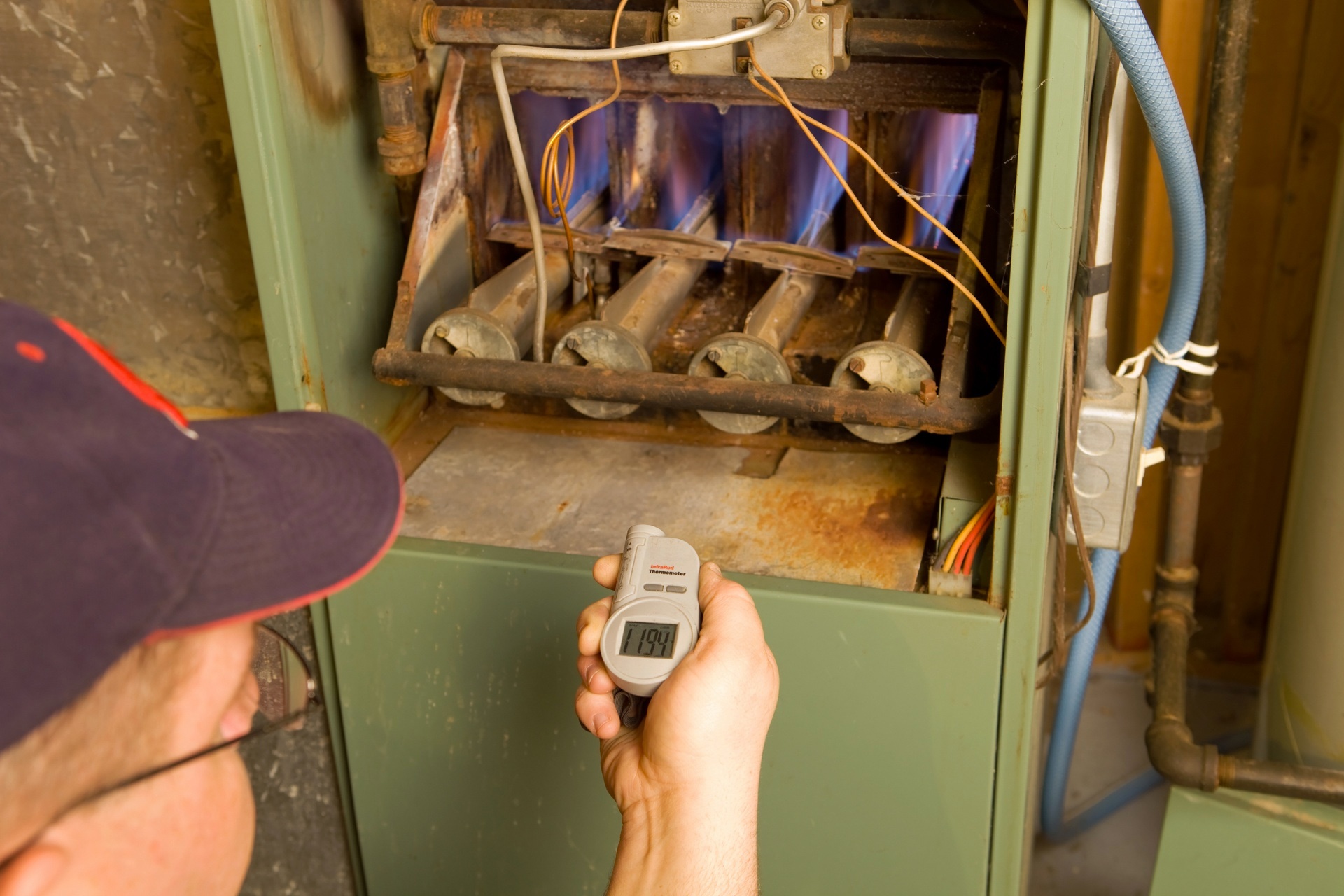
What is the best heating system for a home in Alberta? The best heating system for an Alberta home depends on the home’s design, existing ductwork, energy costs, budget and comfort priorities. High-efficiency furnaces remain common, while cold-climate heat pumps can provide both heating and cooling and may be paired with backup heat for very cold conditions.
Are Gas Furnaces a Good Choice for Edmonton Homes?
Gas furnaces are one of the most common heating systems in Edmonton. They operate by burning natural gas to produce heat, which is then distributed throughout the home via ductwork.
Advantages: Gas furnaces are known for their powerful and consistent heat output, which is essential in extremely cold climates. They also tend to be cost-effective over time, especially with Edmonton’s access to affordable natural gas. Modern high-efficiency gas furnaces can achieve efficiencies of up to 98%, which translates to lower energy bills and reduced environmental impact. Additionally, they have long lifespans, lasting 10-15 years with proper maintenance.
Considerations: Despite their efficiency, gas furnaces require ductwork, so they may not be the best option for homes without an existing duct system. They also require regular maintenance to ensure safe operation and prevent issues like gas leaks or carbon monoxide exposure. Initial installation costs can be higher, particularly if you need to install ducts.
Are Central Heat Pumps a Good Choice for Edmonton Homes?
Central heat pumps are versatile systems that can both heat and cool your home. They work by transferring heat rather than generating it, drawing warmth from the air (even in cold temperatures), and moving it into the home. In the summer, they reverse the process to provide cooling.
Advantages: Central heat pumps are highly energy-efficient, as they move heat instead of creating it. This energy-saving technology can lead to lower utility bills, especially during milder seasons when heating demand is lower. Newer heat pumps are now more efficient in subzero temperatures, making them a viable option for Edmonton’s chilly climate. Their dual functionality (heating and cooling) also makes them a convenient, year-round solution.
Considerations: While heat pumps can work in low temperatures, they often need a supplementary heat source (like a gas furnace) for extremely cold days, which could increase upfront costs. In Edmonton, choosing a cold-climate heat pump model designed for northern regions is essential to ensure effective heating in winter.
Are Ductless Mini-Splits a Good Choice for Edmonton Homes?
Ductless mini-split heat pumps consist of an outdoor unit and one or more indoor units that deliver warm or cool air directly into rooms. They don’t require ducts, making them a popular choice for homes without central air systems.
Advantages: Ductless mini-splits provide zoned heating, allowing you to control temperatures in different areas of your home. This leads to energy savings, as you’re not heating unoccupied rooms. Mini-splits are highly efficient and work well in moderately cold temperatures, making them a great option for the milder parts of the Edmonton heating season. Installation is straightforward, with minimal structural impact, and they offer both heating and cooling.
Considerations: While they’re efficient, ductless mini-splits may struggle to provide sufficient heat during extreme cold snaps without assistance from a secondary heating source. Additionally, multiple indoor units may be needed to fully heat larger homes, which can raise the initial cost.
Schedule heating installation with WeatherMakers Heating, Cooling & Plumbing. Ensuring Your Comfort… For Life!