
Why Is My Water Heater Leaking? What You Should Do Now
Why is my water heater leaking and what should I do? A water heater can leak because of a loose connection, faulty valve, excessive pressure, corrosion or a damaged tank. Shut off the water and energy supply if it is safe, contain the water where possible and have a plumber inspect the unit quickly, especially if the tank itself appears to be leaking.
A leaking water heater can be a frustrating—and potentially costly—problem. Whether you notice a small puddle near the base or water dripping from the tank itself, it’s a sign that something isn’t right. Left untreated, a water heater leak can lead to water damage, mold growth, and even complete system failure. In this post, we’ll walk you through the common causes of water heater leaks, how to diagnose the problem, and what steps you should take right away. If you’re experiencing issues with your hot water system, it’s time to call the experts in water heater repair in Edmonton, AB.
Common Causes of a Leaking Water Heater
Can Loose Connections Cause a Water Heater Leak?
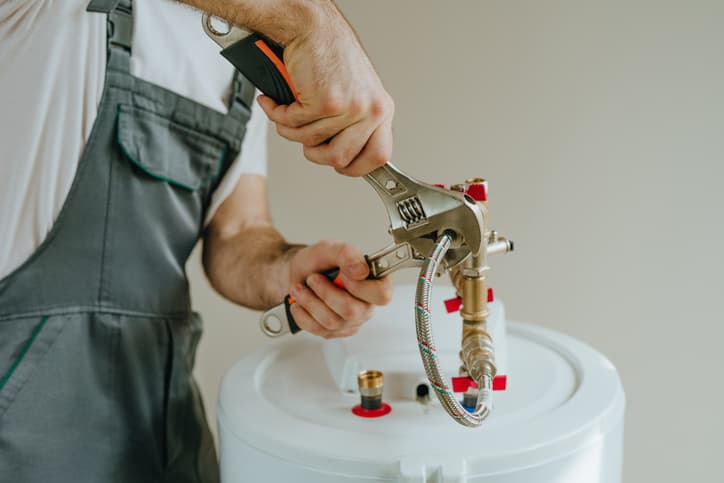
The most common source of leaks is a loose or faulty connection. Check the cold water inlet and hot water outlet pipes to make sure they are securely attached. Over time, fittings can corrode or loosen due to expansion and contraction, especially in older systems.
Can the T&P Valve Cause a Water Heater Leak?
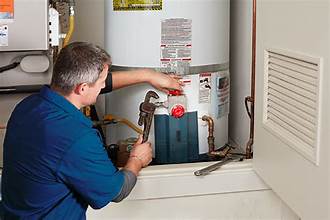
This valve is designed to release water if the tank’s pressure gets too high. If the valve is faulty or there’s excessive pressure, it may start leaking. Make sure the valve is not stuck open or clogged with sediment.
Can a Drain Valve Cause a Water Heater Leak?
Located near the bottom of the tank, the drain valve is used during maintenance to flush out sediment. If this valve is not tightly closed or has degraded over time, it can leak. A slow drip from the spout may mean it needs tightening or replacement.
Does Internal Tank Corrosion Cause Water Heater Leaks?
If you notice water leaking from the bottom of the heater, internal corrosion could be the culprit. Over time, sediment builds up inside the tank and can corrode the lining, causing leaks. Unfortunately, once the tank is compromised, replacement is usually necessary.
Is It a Water Heater Leak or Condensation?
Sometimes, what looks like a leak is condensation, especially in colder climates like Edmonton. If your water heater is in a cool area and is working hard, moisture may form on the outside. This isn’t a sign of damage, but it can still create puddles and lead to confusion.
What You Should Do Now
hould You Turn Off Power to a Leaking Water Heater?
For electric water heaters, shut off the power at the circuit breaker. If you have a gas model, switch the gas control valve to the “off” position.
Should You Shut Off the Water Supply?
Find the cold water shutoff valve (usually located at the top of the heater) and turn it off to prevent more water from entering the tank.
How Can You Identify Where the Leak Is Coming From?
Use a flashlight to examine the unit. Check around valves, fittings, and the base of the tank. This will help you or your plumber quickly identify the issue.
When Should You Call a Plumber for a Water Heater Leak?
Unless the leak is due to something simple like condensation or a loose fitting, most water heater repairs are best left to professionals. Especially if the tank is damaged or old, trying to fix it yourself could make things worse. They have the tools and experience to fix the issue safely and prevent further damage.
Contact WeatherMakers Heating, Cooling & Plumbing. Ensuring Your Comfort… For Life!